
The Road from Clarksville to Spring Mill, 1825
I set out from Clarksville with more optimism than coin in my pocket. The stagecoach fare was three dollars, which was no small sum when a farmhand earned fifty cents a day. Renting a horse would have cost me twice that, and riding my own nag would have been cheaper but no less tiring. So, I climbed aboard the coach, squeezed between strangers, and prepared for two or three days of jolting, bruising, and beans.
The road was a patchwork of mud, rocks, and ruts, but the rhythm of the journey was set by the taverns strung along the way. After fifteen miles we rattled into Greenville, where the tavern was a smoky log building with benches worn smooth by elbows and tankards. The air smelled of wood smoke, sweat, and salt pork. Supper was cornbread and cider, and the bench by the fire served as a mattress for those too weary to care. Horses were swapped, and so were stories — most of them taller than the men telling them.
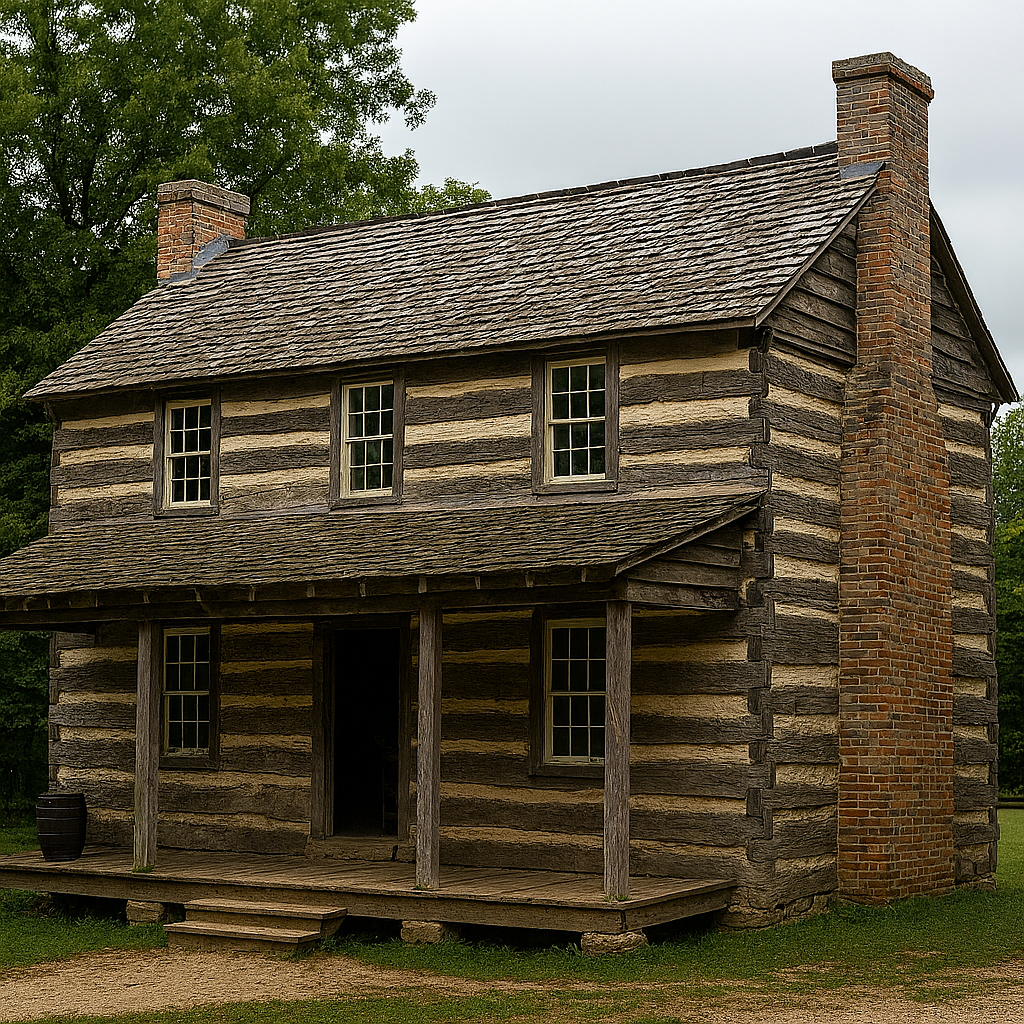
The next day brought us to Salem, twenty miles further on. Salem’s taverns were larger, befitting a county seat, but no less smoky. Salt pork and beans were the fare, washed down with coffee that tasted more like burnt water than anything else. Lodging cost fifty cents, and privacy was a luxury no one could afford. I shared a straw mattress with two other travelers, one of whom snored like a sawmill. Still, Salem bustled with gossip, and the courthouse square was alive with news that traveled faster than the mail.
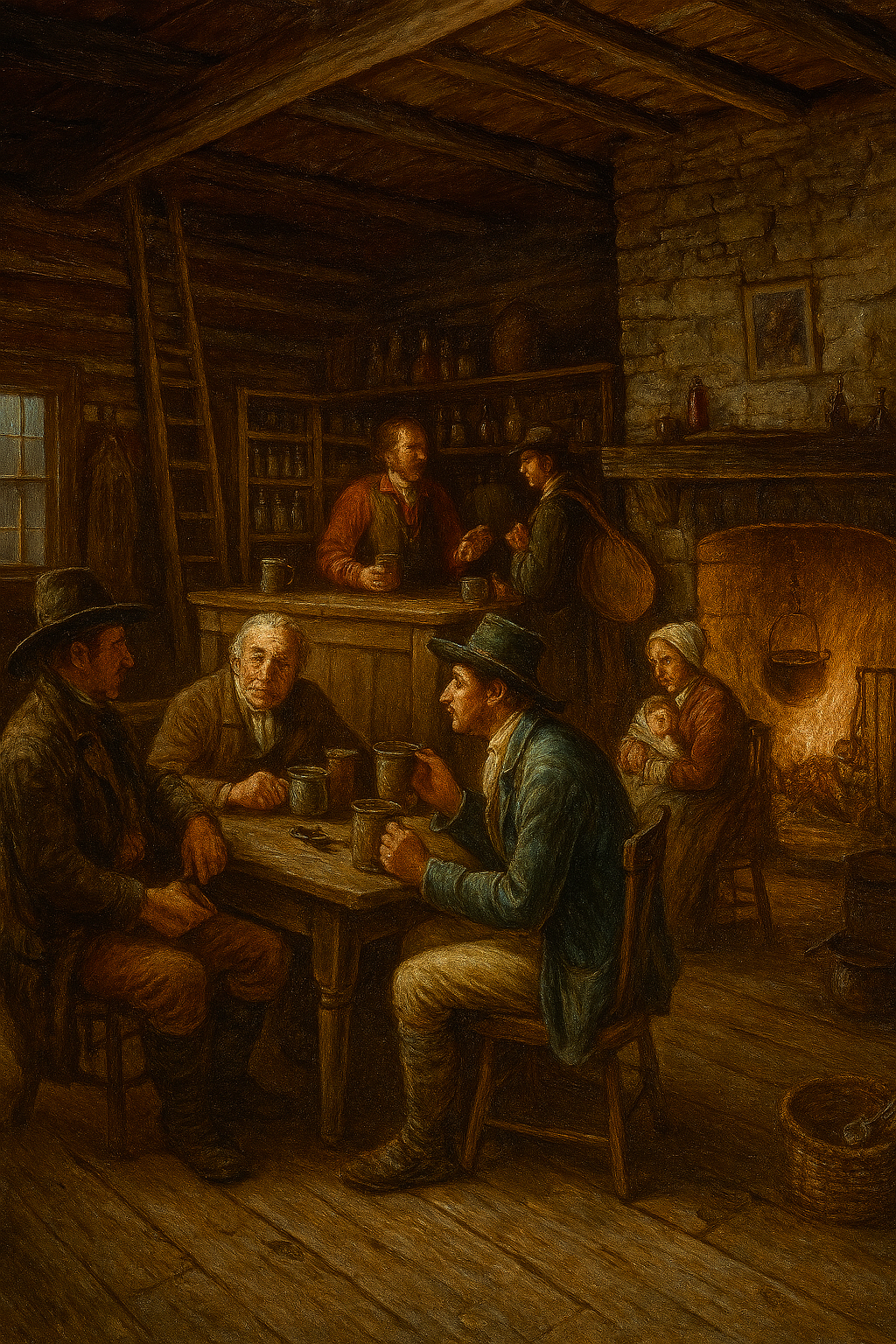
From Salem we bent toward Bono, the oldest settlement in Lawrence County. Bono’s tavern was smaller, more a horse‑change than a proper lodging house, but it still offered beans, cornbread, and a bench by the fire. The building was simple, often just one large room with a loft above. Travelers ate shoulder to shoulder, while the innkeeper’s wife kept the pot boiling and children darted between tables. The talk in Bono was of how the town had once been considered for Indiana’s capital — a dream long gone, but still told with pride.
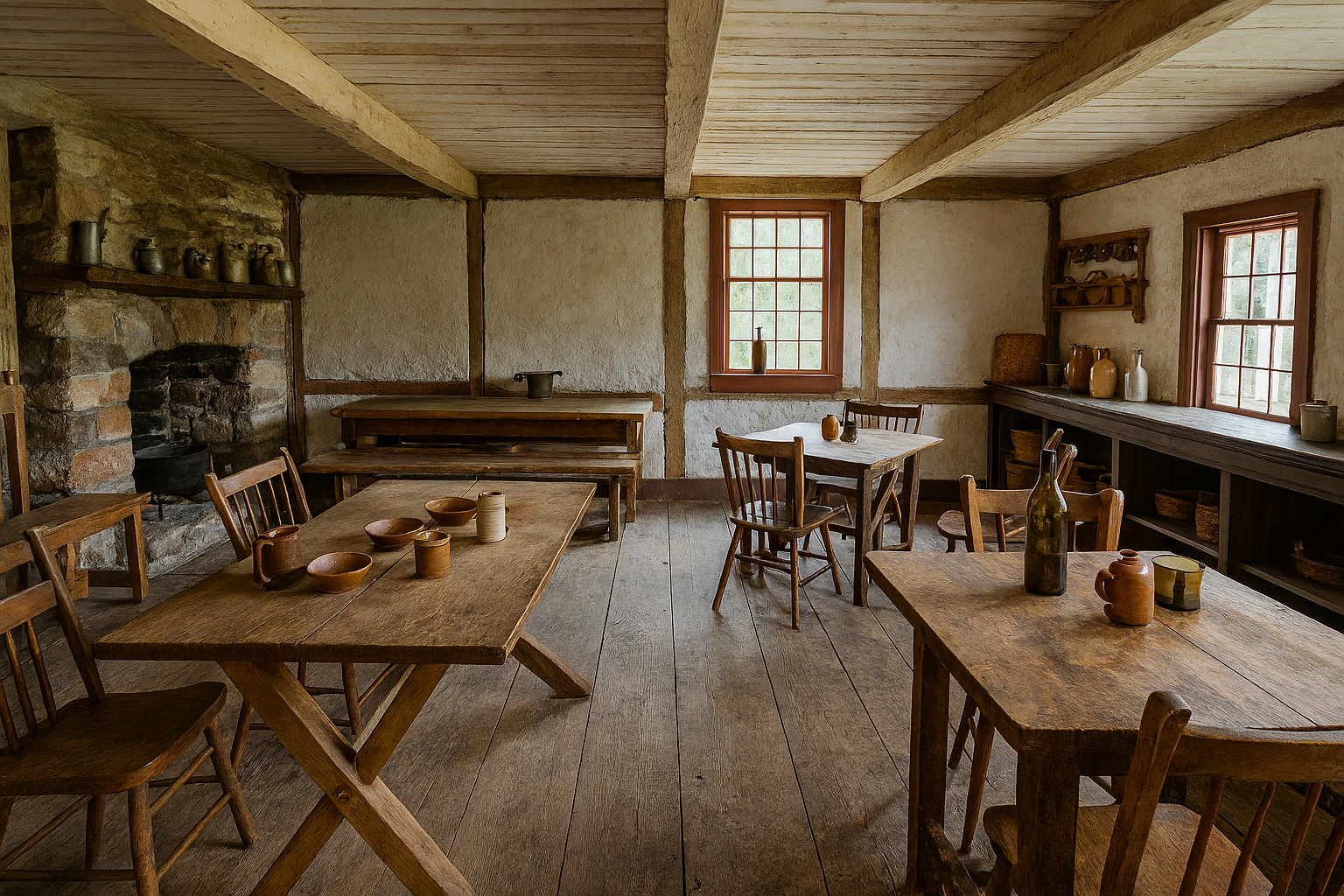
The final stretch was twelve miles, and the coach seemed determined to shake us apart before we arrived. At last, Spring Mill! The tavern there, built in 1824, was the jewel of the trip. Larger and sturdier, it welcomed weary travelers with stewed chicken, coffee, and a smoky room full of chatter. The accommodations were still rustic — straw mattresses, quilts, and shared rooms — but after three days of jolting, mud, and beans, it felt like heaven.
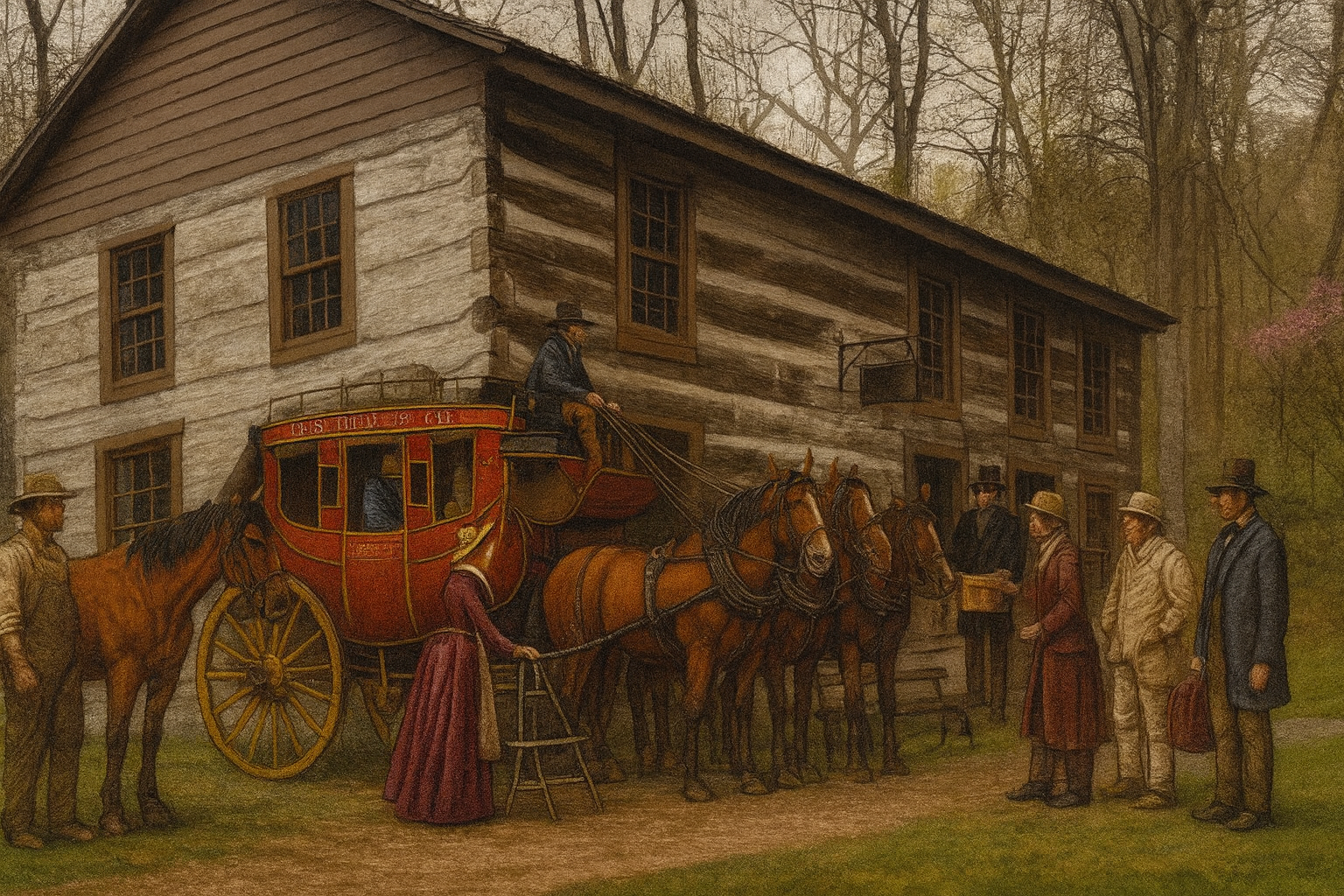
The people making this trip wore what they had: wool trousers and linen shirts for the men, cotton dresses and shawls for the women, leather boots cracked from the road, and felt hats to keep off the sun. Cloaks or blankets were carried for the drafty tavern nights, where privacy was rare and the straw smelled suspiciously of the last guest. The dangers were real enough — coaches tipped, horses bolted, storms turned roads into bogs, and there was always the whispered fear of highwaymen, though most travelers’ greatest enemy was simply the endless jolting of the coach.
And so I arrived sore, dusty, and grateful, proof that southern Indiana was bound together one stage, one tavern, and one jolt at a time.